Tips
Funding a first short film in Algeria: what we have learned
· By Let's Make Your Film· 4 min read
Equipment, crew, partners, funds, schedule, application: what five editions of Let's Make Your Film taught us about funding a first short.
It is often the first question people ask us: how do you fund a first short film when you have no producer, no filmography and no network? There is no magic formula. But since 2018 and five editions of Let's Make Your Film, we have learned a few lessons. Here they are, straight up.
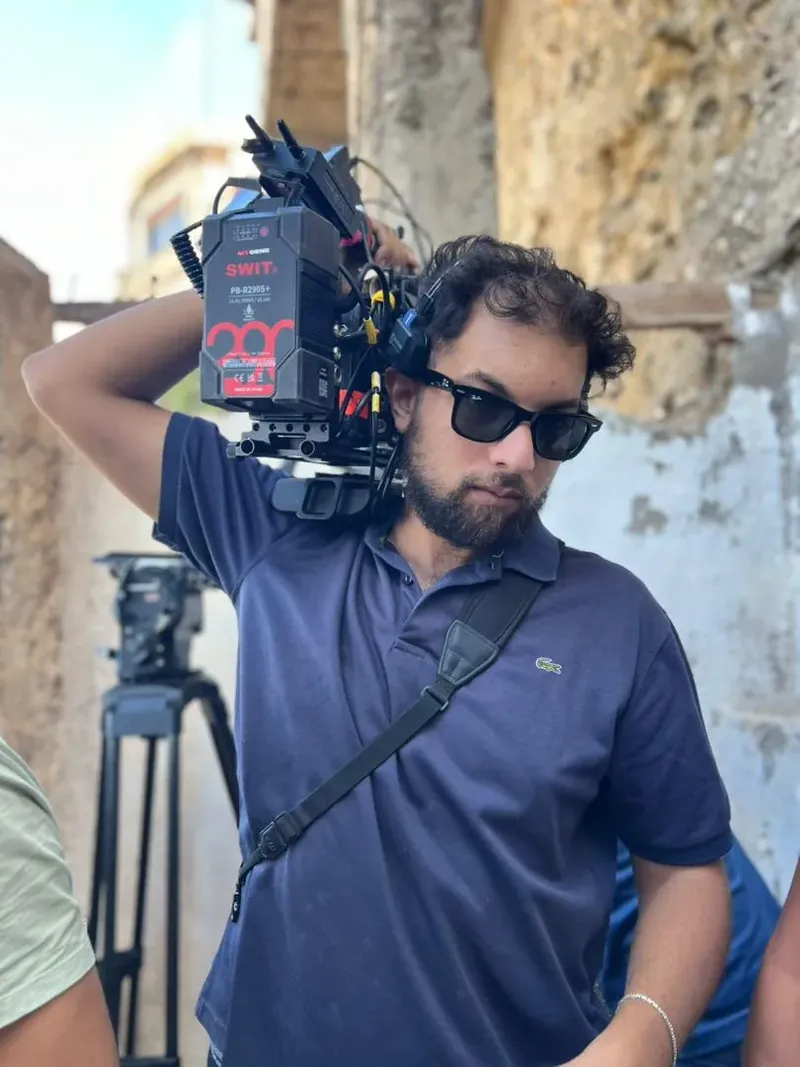
Lesson one: money is not everything. A short film mostly costs equipment, logistics and working time. On edition 5, the four films were shot with equipment and logistics provided by the programme. And the programme's figures speak for themselves: 145 volunteer technicians, more than 8 actors, more than 120 extras. Before chasing a big budget, ask yourself what can be lent, shared or contributed as skills.
Lesson two: surround yourself. No Let's Make Your Film production was made alone. The programme relies on five technical partners and funds, and on a network that includes Solis Production, the Institut français d'Algérie, the British Council, CinéMash, MYC3NE, IVPB, AMFF and Profile Agency. A partner can bring a location, know-how, visibility or financial support: think broad.
For a first film, it is often a support programme that opens those doors. On your own, knocking on each door takes months. Backed by an organisation, your project gains credibility with the people you approach.
Lesson three: funds reward a mature project. Public or private, in Algeria or abroad, funds and cultural institutions read a lot of applications. What makes the difference is a finished script, a clear intention and a credible team. Look into each fund, its criteria and its deadlines: they change from one year to the next.
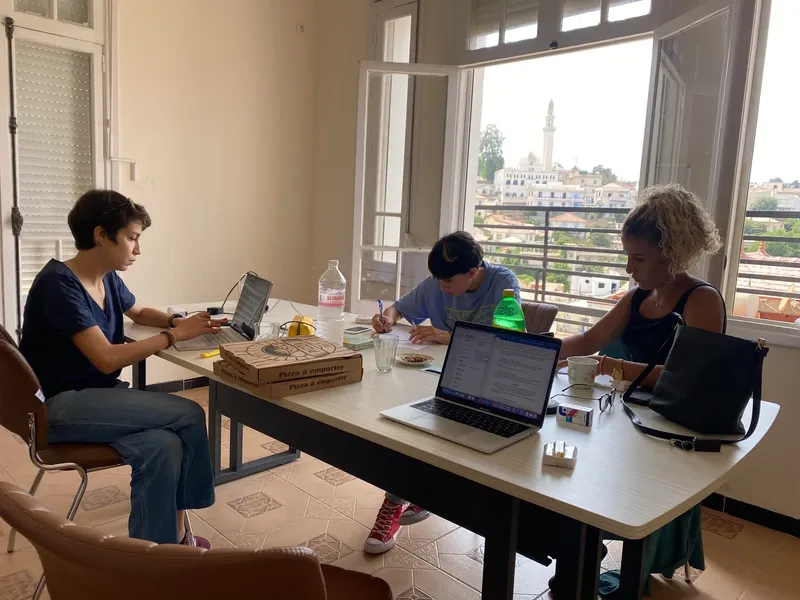
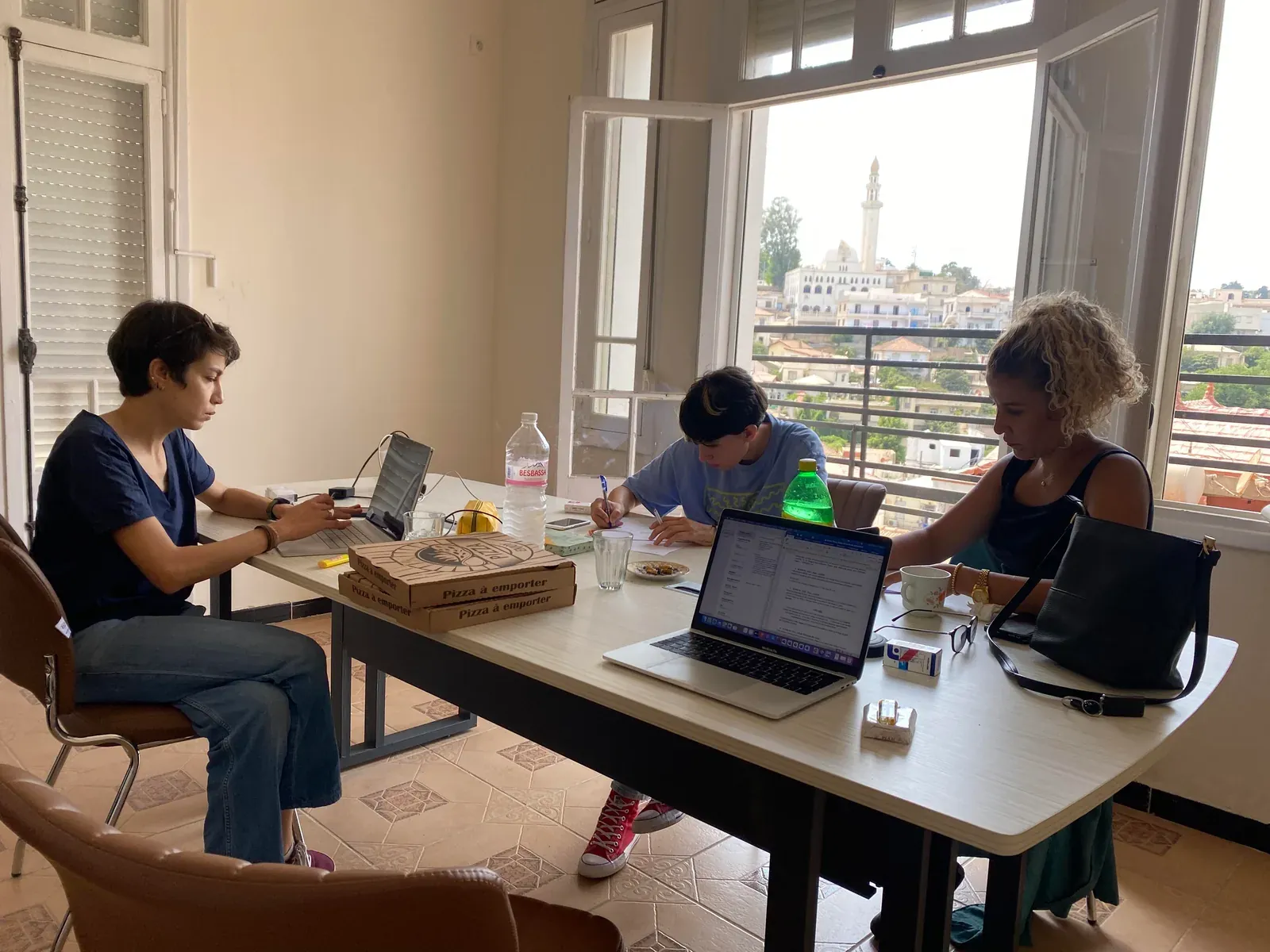
That is where writing matters. On edition 5, the winners went through CinéMash, a writing residency organised with Solis Production, the Institut français d'Algérie and the British Council. Their scripts were read and reworked there with artists from other disciplines. A script that has been reread, discussed and rewritten makes a stronger application, whichever door you knock on.
Lesson four: think schedule. A short film takes longer than you imagine. For edition 5, the writing residency came before shoots in summer 2024, between Algiers, Blida, Sétif and Annaba, at roughly one week per film. Editing, colour grading, sound mixing and subtitling followed, with a release announced for September 2025. So count on at least a year between the script and the first screening.
Align your schedule with your funders'. Fund deadlines often fall well before the shoot, and an application filed too late can cost you a whole year. Write them down as soon as you start, and allow time to write each application properly.
Lesson five: take care of your application. Whether it is for a fund, a partner or a programme like ours, a good application always rests on the same building blocks: a logline that fits in one sentence, a short and a long synopsis, a director's statement that says why you and why now, an estimated budget and the current stage of the project.
Add the script as a PDF, a moodboard to show the visual world, your CV and, if you have one, a link to a short film you have already made. A selection committee must be able to understand your film without knowing you: every piece should help it do so.
Lesson six: think about distribution from day one. A funder wants to know where your film will be seen. Let's Make Your Film productions add up to 82 official selections and 16 awards and mentions, from FICA in Algiers to the Carthage Film Festival, from FESPACO to Clermont-Ferrand. Showing that you have thought about festivals and cinemas reassures those who bet on you.
And do not forget screenings close to home. For edition 5, the release goes through a premiere in Algiers, then a tour through the network of cinémathèques and the branches of the Institut français d'Algérie. A film that meets its audience is one more argument for the next one.
One last thing: do not stay alone with your project. Funding a first film is above all a matter of encounters. And if you want the next one to happen with us, watch our Call for applications page: that is where the next edition of Let's Make Your Film will open.